
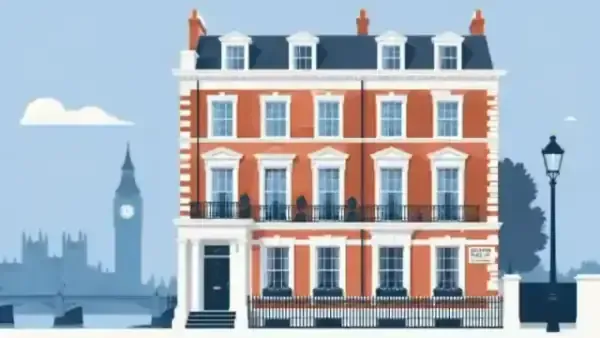
If you’ve ever walked through the quiet-ish backstreets near Victoria, St James’s, or Whitehall, you know the specific grandeur of a Westminster mansion block. These red-brick and stucco-fronted giants are London’s original luxury apartments. With their grand entrances, high ceilings, and resident porters who’ve seen it all, they offer a slice of history that modern glass-and-steel towers simply can't match.
But there’s a catch. Living in one often means living on the doorstep of the city's busiest tourist routes. While the exterior looks like a period drama, the interior can feel like a front-row seat to a traffic jam.
We recently helped Eleanor, a resident of a prestigious block near Ashley Gardens, who was at her wit's end. Her beautiful original timber sash windows were failing her. Between the low-frequency rumble of idling tourist coaches and the drafty chill that seemed to cut straight through her high-ceilinged living room, she was ready to move.
Fortunately, secondary glazing London offers a way to keep the history without the headache.
The Westminster Challenge: Coaches, Cornices, and Cold Spots
Eleanor’s flat was stunning. It featured original cornicing, three-meter-high ceilings, and massive sash windows that flooded the space with light. However, those same windows were the "weakest link" in her home’s defenses.
Because her block is close to Victoria, she dealt with:
- The Coach Idling Hum: Tourist coaches often wait nearby with engines running, sending a constant low-frequency vibration through single-paned glass.
- The "River" of Traffic: Continuous bus routes and taxis created a wall of sound that made it impossible to enjoy a quiet evening.
- The Draft Factor: Those original sashes, while beautiful, were far from airtight. In winter, the heat escaped almost as fast as she could turn the radiator up.
She’d looked into replacement, but as her building is in a conservation area, the council was clear: the original windows had to stay. That’s where we came in.
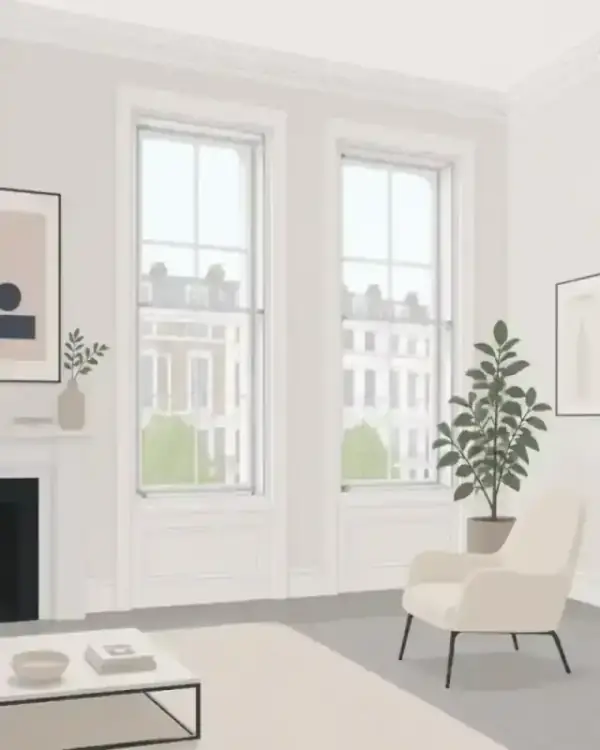
Why Secondary Glazing is the "Secret Weapon" for Period Homes
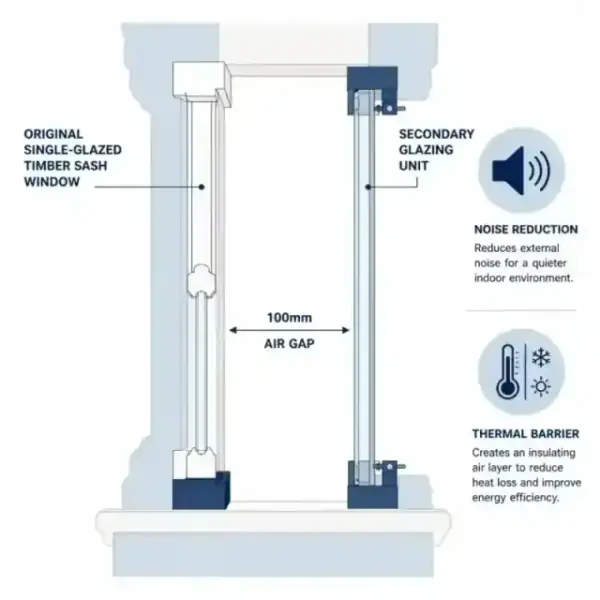
A common mistake homeowners make is thinking they have to choose between heritage and comfort. You don't. Secondary glazing is an additional, slimline window frame installed on the inside of your existing window.
For Eleanor, we recommended a bespoke configuration of acoustic secondary glazing because sound was her primary enemy.
The Magic of the 100mm Gap
The real "science" of silence lies in the gap. Standard double glazing puts two panes of glass just 16mm to 20mm apart. While that’s great for heat, it does very little for traffic noise.
By installing our secondary units with a 100mm to 150mm air gap from the original sash, we create a decoupled acoustic barrier. This gap acts like a buffer zone, trapping the sound waves before they can enter your home. Combined with 6.4mm or 10.8mm acoustic laminated glass, you can achieve a 70-80% noise reduction.
The Installation: Preserving the Porter’s Pride
One of the best things about secondary glazing for period homes London is how non-intrusive it is. Eleanor was worried about the mess: mansion blocks are notoriously tricky for logistics.
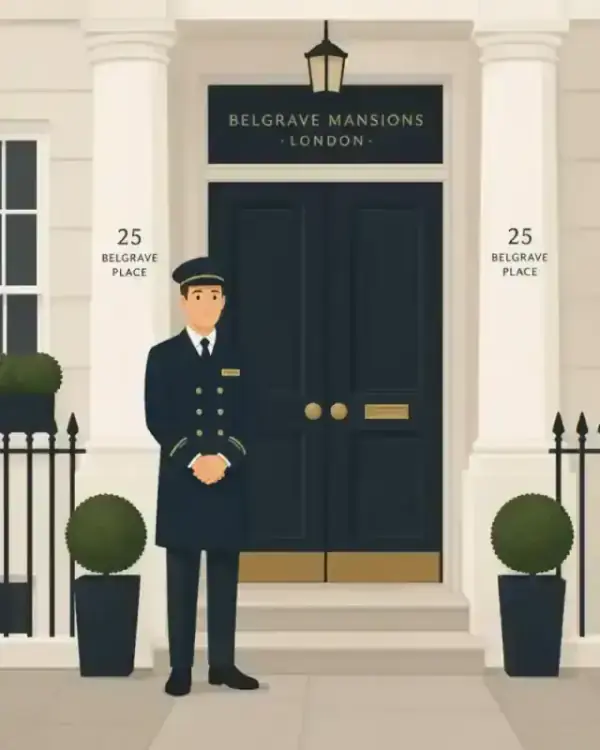
Our team worked with the building’s porter to ensure we didn't block the communal hallways. Since there’s no need to remove the original windows, there was no dust, no scaffolding, and no structural work. We measured on Monday and had the units installed in her primary rooms by Wednesday afternoon.
We matched the frames to the exact white of her existing timber, making the new units almost invisible from both the street and the sofa.
Results You Can Hear (Or Rather, Not Hear)
When we finished, the transformation was immediate. Eleanor’s "Before and After" wasn't just visual; it was atmospheric.
- Before: The idling coach outside was measured at roughly 55-60 decibels inside her living room: equivalent to a loud conversation right next to her.
- After: The noise level dropped to around 30 decibels: the level of a quiet library.
- The "Draft Test": By creating a second seal, we stopped the wind whistling through the sash joints. She noticed her radiators stayed warm for longer, and that "chill" near the windows disappeared.
Whether in Westminster or Kensington
While this transformation took place in Westminster, we see similar challenges when soundproofing flats Kensington. Whether it's a stucco villa near High Street Ken or a grand mansion block in SW1, the problem is often the same: beautiful history meets modern noise.
If you’re struggling with the roar of London traffic or the draft of a Victorian winter, don't assume you have to live with it or replace your windows entirely. Our solutions are typically 40-60% cheaper than full replacement and, more importantly, they actually perform better for sound.
Taking the Next Step
If your Westminster or Kensington home feels a little too close to the street for comfort, we’d love to help. We offer a free initial survey where we can look at your specific window types: be they arched sashes, large bays, or French doors: and show you how we can bring back the peace and quiet you deserve.
You don't need to move house to find some quiet; you just need to add a layer of protection. Check out our guide for listed buildings to see why this is the preferred choice for heritage properties across London.
WhatsApp us