

If you live in a period flat in London, you know the "London Paradox": your home is architecturally stunning, but during a January gale or a busy Friday night, it can feel like you’re living in a cardboard box. The draft from those original sash windows could blow out a candle, and the sirens from the street sound like they’re right in your living room.
You want to fix it, but you don't want to ruin the character (or fight the planning office for two years). The good news? You don't have to. Secondary glazing London offers a way to keep your historic windows exactly as they are while cutting noise by up to 80% and drastically reducing your heating bills.
We’ve seen this transformation hundreds of times. Here are three real stories from Kensington, Chelsea, and Westminster where secondary glazing turned drafty historic flats into warm, silent sanctuaries.
1. The Victorian Villa in South Kensington: Saving £850 a Year
Kensington is famous for its grand Victorian villas, but those high ceilings and massive windows are notoriously difficult to heat. We worked with a resident in the Queens Gate Conservation Area who was struggling with a Grade II listed flat that felt perpetually damp and chilly.
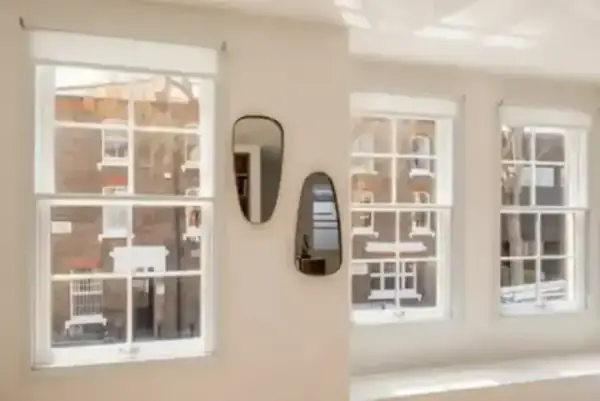
Because the building is listed, replacing the windows with modern double glazing was out of the question. Instead, we installed slimline, high-performance secondary glazing that sits discreetly inside the existing window reveal.
The Transformation:
- Heat Loss Reduction: A massive 72% reduction in heat escaping through the glass.
- Energy Savings: The owner saved approximately £850 per year on their energy bills.
- Heritage Approved: The project received full Listed Building Consent (LBC) because the installation is entirely reversible and doesn't touch the original external fabric.
Soundproofing flats Kensington isn't just about noise; it's about making those large, draughty rooms actually liveable again. By adding that extra layer, we created a thermal "buffer zone" that stopped the cold air in its tracks.
2. Chelsea’s Cheyne Walk: Taming the Embankment Noise
Living on Cheyne Walk is a dream: until the morning rush hour begins. One of our clients in a beautiful Georgian townhouse found that the constant hum of traffic from the Chelsea Embankment was making it impossible to work from home or sleep soundly.
The challenge here was acoustic. Georgian windows are elegant but thin, often just 3mm or 4mm of glass. To solve this, we used 10.8mm acoustic laminated glass with a 100mm air gap between the old window and the new one. This "decoupling" is the secret sauce of soundproofing.
The Transformation:
- Noise Reduction: We achieved a 78% reduction in perceived traffic noise.
- Discreet Design: The secondary frames were powder-coated to match the existing interior joinery, making them virtually invisible from the street.
- Total Reversibility: As with all our secondary glazing for period homes London, no external alterations were made, satisfying the strictest conservation requirements.
The resident's "sanctuary" was restored. They went from hearing every bus gear-shift to a quiet, library-like atmosphere, all without losing the view of the Thames.
3. 119 Ebury Street, Belgravia: The Gold Standard of Efficiency
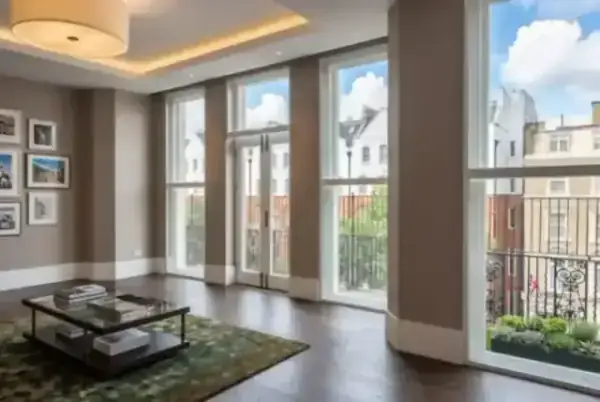
If you want proof that historic buildings can be "green," look no further than 119 Ebury Street in Westminster. This Grade II listed Georgian townhouse was converted from a hotel into three luxury duplex flats. It became the first listed building in the UK to achieve a BREEAM Outstanding rating.
The glazing was the MVP of this project. To meet the incredibly strict energy targets (an 80% reduction in CO2 emissions), the windows had to perform at a modern level without being replaced.
The Tech Behind the Scenes:
The project used Pilkington Spacia: an evacuated (vacuum) glass unit that is only 6mm thick but performs like a thick double-glazed unit.
- U-Value Performance: It achieved a U-value of 1.0 (standard single glazing is usually around 5.8).
- Airtightness: The secondary glazing provided a near-perfect seal, which was essential for the building's heat recovery system (MVHR) to work efficiently.
This isn't just a win for the environment; it’s a win for the residents who now live in one of the most thermally efficient historic homes in the world.
Bonus: Porchester Court, Bayswater
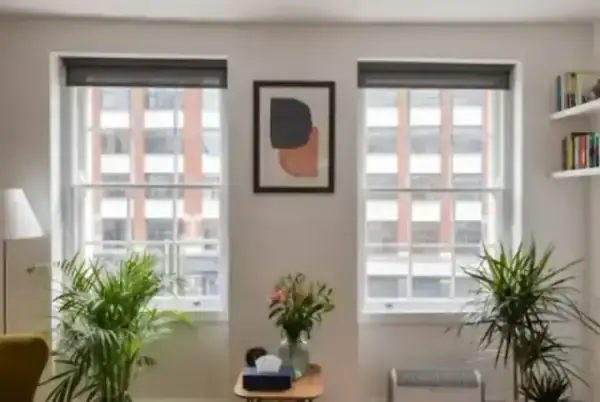
We can't talk about London transformations without mentioning Porchester Court. This was a larger-scale project involving 36 apartments in a heritage block. The goal was to provide a consistent level of comfort for every resident.
By installing secondary glazing across the entire building, we achieved an 80% reduction in noise and a 65% improvement in thermal retention. For a large residential block, this doesn't just mean happier tenants; it means a significant increase in the property's overall value and a lower carbon footprint for the whole building.
Is Secondary Glazing Right for Your Flat?
Whether you're in a Victorian terrace in Kensington or a Georgian flat in Westminster, you don't have to choose between heritage and comfort. Secondary glazing is the "middle way" that gives you the performance of a new build with the soul of a period property.
Here’s the short version of what you can expect:
- Silence: Up to 80% noise reduction (the difference between a busy road and a quiet garden).
- Warmth: Dramatically lower U-values and no more drafts.
- Peace of Mind: No planning permission headaches in 99% of cases.
If you’re tired of wearing a sweater indoors or waking up to the sound of the 5 a.m. bin lorry, it might be time to look at your windows from the inside out. We’re happy to pop over for a survey and show you exactly how we can make your home as cosy as it is beautiful.
WhatsApp us