
If you have ever spent a Sunday morning in a Kensington mansion block trying to read the paper while the A4 Cromwell Road roar vibrates through your floorboards, you know that London’s "period charm" often comes with a noisy price tag. We love the high ceilings and the original sash windows, but we don’t love the feeling that a double-decker bus is actually idling in our living room.
Recently, we worked with a homeowner in a stunning Victorian flat near Gloucester Road. Their home was everything you’d expect from Kensington: ornate cornicing, original 1880s timber sashes, and a location that makes everything accessible. But there was a catch. The noise levels were hitting 80 decibels during rush hour: roughly the same as a garbage disposal unit running constantly in your ear.
This is the story of how we took that "traffic roar" and turned it into "library quiet" using secondary glazing in London, all without upsetting the conservation officers.
The Problem: Beautiful Windows, Impossible Noise
Our client, let’s call her Sarah, faced a dilemma familiar to many in the Royal Borough of Kensington and Chelsea. Her flat was part of a Grade II listed building in a conservation area. The original single-glazed windows were a masterpiece of Victorian joinery, but they were essentially "acoustic sieves."
The challenges were three-fold:
- The Acoustic Assault: Living near a major artery like the A4 meant constant low-frequency rumble and high-frequency sirens. Standard double glazing rarely handles this well, but single glass doesn't stand a chance.
- The Thermal Drain: In winter, the U-value of her windows was roughly 5.0 W/m²K. In plain English? That’s about as thermally efficient as a hole in the wall. The heating was on full blast, yet the drafts were still strong enough to flicker a candle across the room.
- The Red Tape: Because the building was listed, Sarah couldn't simply rip out the windows and replace them with modern UPVC or even "slimline" double-glazed timber units without a mountain of paperwork and a high risk of rejection.
Sarah told us, "I felt like I was living on the hard shoulder of the motorway. I loved the flat, but I wasn't sleeping, and my heating bills were eye-watering."
The Solution: The 10.8mm Acoustic Breakthrough
When Sarah contacted us for soundproofing flats in Kensington, we knew exactly what was needed. The goal wasn't just to "muffle" the noise; it was to eliminate it.
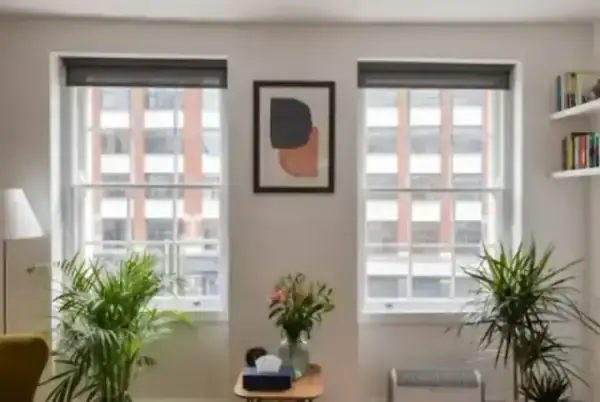
For this project, we designed a bespoke secondary glazing for period homes in London system that sat discreetly behind her existing sashes. Here is the technical setup we used:
1. 10.8mm Acoustic Laminate Glass
Most off-the-shelf secondary glazing uses 4mm or 6mm glass. While that helps, it doesn't solve a Kensington traffic problem. We specified 10.8mm acoustic laminate glass. This isn't just "thick glass"; it features a special PVB (Polyvinyl Butyral) interlayer that acts as a dampener, literally absorbing the sound waves rather than letting them vibrate through.
2. The 100mm+ Air Gap
This is the "secret sauce" of secondary glazing. Unlike double glazing, where the gap is tiny (typically 16-20mm), we installed Sarah’s units with a 100mm to 150mm air gap from the original window. This decoupled air space creates a buffer zone where noise loses its energy. It’s the difference between a 20dB reduction and the 54dB noise reduction we were aiming for.
3. Navigating the RBKC Rules
One of the best pieces of news we gave Sarah was about the Local Listed Building Consent Order (LLBCO) in Kensington & Chelsea. For Grade II listed buildings, internal secondary glazing is often pre-approved as long as it doesn't damage the historic fabric and is fully reversible. This saved her months of waiting for specific listed building consent.
The Process: Zero Disruption, Maximum Precision
Installing secondary glazing is far less intrusive than a full window replacement. For Sarah’s flat, we didn't need scaffolding, and we didn't need to break into any brickwork.
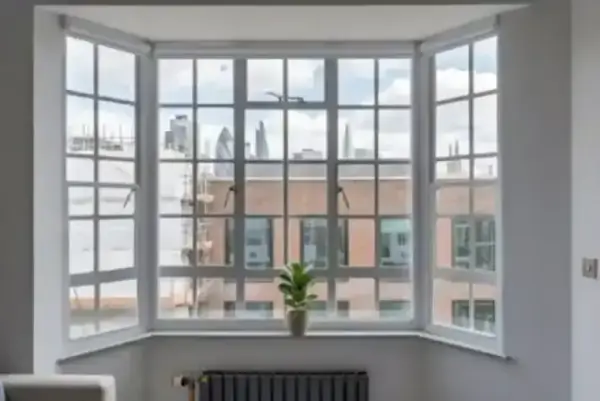
Our team spent one day on-site. We used slimline aluminum frames finished in a specific RAL white to match her existing timber architraves. The goal was for the secondary glazing to disappear. When you looked at the windows from the street, you saw the original Victorian sashes. When you looked from the inside, the new units lined up perfectly with the original meeting rails.
We also addressed a common concern: condensation. By ensuring the new units were perfectly sealed but included discreet ventilation paths, we ensured that moisture wouldn't get trapped between the panes, protecting the 140-year-old timber.
The Result: A Quiet Sanctuary
The transformation was immediate. As soon as the last panel clicked into place, the room fell into what Sarah described as a "library-like hush."
- Acoustic Victory: The noise reduction was measured at a staggering 54dB. The 80dB traffic roar was brought down to a whisper-quiet 26dB. For the first time in years, the TV didn't need to be on volume 30 just to hear the dialogue.
- Thermal Comfort: The U-value dropped from a drafty 5.0 down to 1.8 W/m²K. This is a 65% improvement in thermal efficiency. The "cold zone" near the windows vanished, and Sarah’s smart meter showed an immediate dip in gas consumption.
- Condensation Free: Because the secondary glazing creates a warmer inner surface, the moisture in the air no longer hits a freezing cold pane of glass. No more puddles on the windowsill in the morning.
Sarah’s feedback? "I honestly didn't think it was possible. I've lived here for ten years and I'd forgotten what it felt like to have a truly quiet home. It’s like the city has been put on mute."
Your Next Steps to Peace and Quiet
If you are struggling with the same "Kensington roar" or Chelsea drafts, you don't have to choose between your home's heritage and your own comfort. Here is some quick, neighborly advice on how to start:
- Check Your Listing: If you're in a Grade II building in RBKC, check out the LLBCO. You might find you can start your project much sooner than you think.
- Measure the Gap: Look at your window sills. Do you have at least 100mm of space? That’s the "sweet spot" for serious noise reduction.
- Prioritize the Glass: If noise is your main enemy, don't settle for standard 4mm glass. Ask for acoustic laminate. It’s the single biggest factor in achieving that "library quiet" feel.
- Think Long Term: Secondary glazing is typically 40-60% cheaper than full replacement and will pay for itself in energy savings over a few London winters.
If you're ready to see how a bespoke setup could work for your flat, we’re here to help. From the initial survey to that final "click" of the window shutting out the city, we make sure your London home is the sanctuary it was always meant to be.