Owning a listed building is both a privilege and a responsibility. These architectural treasures tell the story of our heritage, but they often come with modern challenges: particularly when it comes to energy efficiency. If you're struggling with draughty windows, soaring heating bills, and the seemingly impossible task of upgrading your property's thermal performance without compromising its historic character, you're not alone.
Every year, thousands of listed building owners make costly mistakes when attempting window upgrades. These errors don't just waste money: they can result in planning permission rejections, conservation officer disputes, and sometimes irreversible damage to your property's heritage value. More importantly, they often fail to solve the original problem of poor energy efficiency.
After working with hundreds of heritage properties across the UK, we've identified seven critical mistakes that property owners repeatedly make when upgrading their windows. More importantly, we'll show you exactly how to avoid them and achieve the energy efficiency you need while preserving the character that makes your building special.
Mistake #1: Replacing Original Windows Instead of Preserving Them
The single biggest mistake listed building owners make is assuming they need to replace their original windows entirely. This approach is not only unnecessary in most cases: it's often actively discouraged by conservation officers and can significantly reduce your property's value.
Why This Happens
Modern marketing has convinced many property owners that replacement is the only path to energy efficiency. Double glazing companies often present replacement as a simple, one-size-fits-all solution, without understanding the unique requirements and restrictions of heritage properties.
The Reality
Historic windows built before World War II were typically constructed from old-growth timber that's actually more durable and rot-resistant than modern alternatives. A 2019 study by Historic England found that properly maintained sash windows from the Georgian and Victorian eras can last indefinitely with appropriate care, often outlasting modern replacements by decades.
Case Study: Grade II Listed Georgian Terrace, Bath
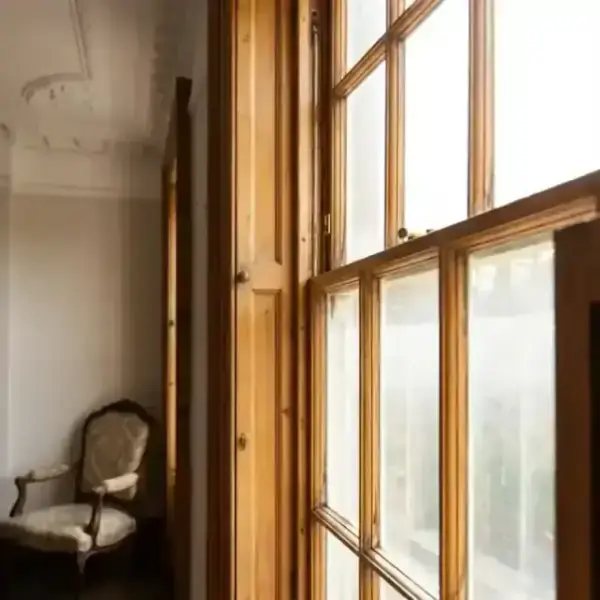
Sarah Thompson inherited a Grade II listed Georgian townhouse in Bath with original 1820s sash windows. Initially, she approached three double glazing companies who all recommended complete replacement with "heritage-style" units costing £35,000. When her listed building consent application was rejected, she discovered that secondary glazing could achieve similar thermal performance for £8,500 while preserving the original windows entirely.
The results were remarkable: heating bills reduced by 58%, and the property's insurance value increased due to the preservation of original features. Most importantly, the installation was completed without any planning permission requirements.
The Solution
Instead of replacement, focus on restoration combined with secondary glazing. This approach typically involves:
- Professional window restoration to repair any structural issues
- Installation of high-performance secondary glazing systems
- Appropriate draught-proofing using historically compatible materials
- Regular maintenance schedule to prevent future deterioration
This combination often outperforms modern replacement windows while maintaining full compliance with conservation requirements.
Mistake #2: Using Inappropriate Modern Materials in Conservation Areas
Even when property owners understand they shouldn't replace original windows, many fall into the trap of choosing modern materials that are entirely inappropriate for heritage buildings.
The UPVC Trap
UPVC windows are perhaps the most common inappropriate choice for heritage properties. While cost-effective and thermally efficient, they're typically prohibited in conservation areas and almost always rejected for listed buildings. The visual impact alone can be devastating to a building's character, but there are deeper issues at play.
Why Conservation Officers Reject Modern Materials
Conservation officers aren't being difficult when they reject modern materials: they're protecting irreplaceable heritage assets. UPVC cannot replicate the fine glazing bars, slim sight lines, and subtle proportions of historic windows. More importantly, UPVC windows have a limited lifespan (typically 20-25 years) and cannot be repaired when they fail, creating ongoing waste and replacement cycles.
Case Study: Victorian Villa, Edinburgh Conservation Area
James and Linda Patterson learned this lesson the hard way when they installed UPVC windows in their 1880s villa without seeking conservation area consent. The local council enforcement notice required them to remove the new windows within six months, at their own expense, and restore appropriate timber alternatives.
The cost was enormous: £18,000 for the original UPVC installation, £12,000 for removal and disposal, and £28,000 for historically appropriate replacement timber windows. The three-month disruption to their family life was equally challenging.
The Solution: Material Compatibility
Choose materials that complement your building's age and architectural style:
- Timber: Almost always appropriate for heritage properties
- Steel: Suitable for Art Deco and some Victorian industrial buildings
- Cast iron: Perfect for Georgian and early Victorian properties
- Secondary glazing: Can use modern materials internally while preserving original external appearance
For secondary glazing specifically, high-quality systems can use modern thermal glass and frames internally while the original windows maintain the external historic appearance.
Mistake #3: Failing to Consult Conservation Officers Early
One of the most expensive mistakes is proceeding with window upgrades without early consultation with your local conservation officer. This oversight can result in rejected applications, enforcement action, and the need to completely restart your project.
Understanding the Consultation Process
Conservation officers are experts in balancing heritage preservation with modern living requirements. They're not obstacles: they're resources who can guide you toward solutions that work for both your needs and your building's heritage value.
When Consultation is Required
- Any changes to windows on listed buildings (requires Listed Building Consent)
- Window changes on unlisted buildings in conservation areas (requires Conservation Area Consent)
- Significant alterations to windows visible from public areas
- Changes to buildings within the curtilage of listed structures
Case Study: Grade I Listed Manor House, Cotswolds
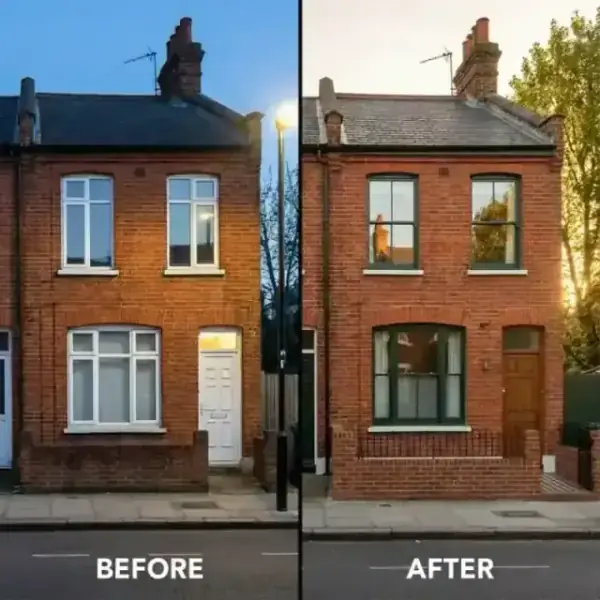
The owners of a Grade I listed 16th-century manor house wanted to improve thermal performance while preserving the property's exceptional historic value. Initial consultation with the conservation officer revealed that external secondary glazing would be inappropriate due to the building's significance, but internal secondary glazing could be acceptable if designed carefully.
Working with the conservation officer from the outset, they developed a solution using slimline internal secondary glazing with hand-made glass to match the original window texture. The result achieved a 45% improvement in thermal performance while satisfying the strictest conservation requirements.
The Solution: Early Engagement
Schedule a pre-application consultation before finalizing your plans:
- Contact your local authority's conservation team
- Arrange a site visit to discuss options
- Obtain written confirmation of acceptable approaches
- Include conservation officer feedback in your formal application
This process typically costs £100-300 but can save thousands in rejected applications and redesign costs.
Mistake #4: Attempting DIY Work on Heritage Windows
While DIY enthusiasm is admirable, heritage windows require specialist knowledge and techniques that aren't covered in standard home improvement guides. Amateur work can cause irreversible damage and may violate listed building requirements.
The Complexity of Heritage Window Restoration
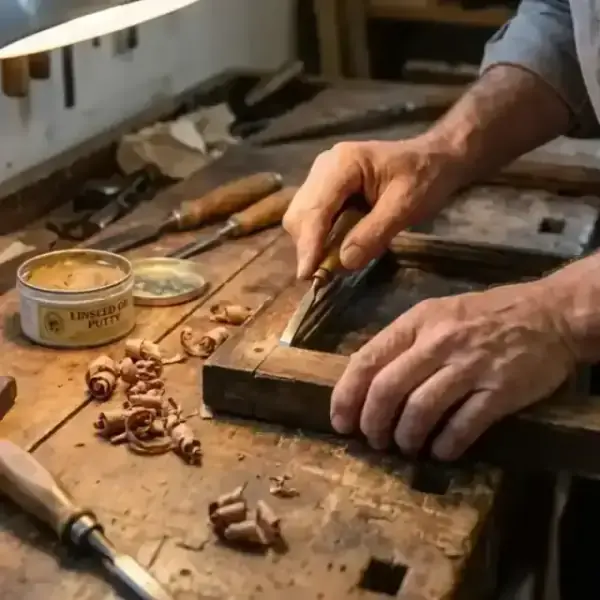
Historic windows involve specialized joinery techniques, traditional materials, and specific conservation principles that require professional expertise. Traditional window restoration involves complex skills:
- Mortise and tenon joint repair using traditional methods
- Glazing compound application with historically appropriate materials
- Sash cord replacement maintaining original pulley systems
- Lead light restoration requiring specialized soldering techniques
Case Study: Tudor Cottage Disaster, Suffolk
Mark Roberts attempted to restore the leaded casement windows in his Grade II* listed Tudor cottage as a weekend project. Using modern wood filler and contemporary glazing putty, he inadvertently damaged the 400-year-old glazing bars and altered the window's historic appearance.
The conservation officer's inspection revealed that the amateur work had reduced the window's heritage value and required professional restoration to reverse the damage. The total cost: £8,500 to undo the DIY work and properly restore the windows: three times what professional restoration would have cost initially.
The Hidden Risks
DIY work on heritage windows can result in:
- Structural damage to irreplaceable historic fabric
- Planning enforcement action if work doesn't meet conservation standards
- Insurance complications if amateur work causes problems
- Reduced property value due to inappropriate alterations
The Solution: Professional Expertise
Invest in qualified professionals who understand heritage buildings:
- SPAB-trained craftspeople (Society for the Protection of Ancient Buildings)
- Institute of Carpenters certified specialists
- Conservation-accredited window restoration companies
Professional restoration typically costs 30-50% less than replacement while preserving heritage value and ensuring compliance with listed building requirements.
Mistake #5: Ignoring Grant and Funding Opportunities
Many listed building owners miss out on significant financial support available for heritage window restoration and energy efficiency improvements. These grants can reduce project costs by 40-70%, making proper conservation solutions much more affordable.
Available Funding Sources
Multiple organizations offer grants specifically for heritage property improvements:
- Historic England Heritage Action Zones: Grants up to £25,000
- Churches Conservation Trust: For religious buildings
- National Trust conservation grants: For properties in trust areas
- Local authority conservation grants: Varying by location
- Architectural Heritage Fund: Low-interest loans and grants
Case Study: Georgian Rectory, Norfolk
The owners of an 18th-century rectory discovered their property was within a Historic England Heritage Action Zone. This qualified them for a £15,000 grant toward window restoration costs. Combined with their local authority's conservation grant (£5,000), they reduced their £35,000 restoration project cost to £15,000.
The application process took six weeks, but the savings made the difference between deferring the work for years and completing it immediately.
The Application Trap
Many grants require work to be completed to specific conservation standards, using approved contractors, and with detailed documentation. Failing to understand these requirements can result in grant rejection or repayment demands.
The Solution: Strategic Grant Research
Before beginning any window project:
- Research all available grants for your property type and location
- Contact grant providers to discuss eligibility before applying
- Ensure your chosen contractor meets grant requirements
- Submit applications well before planned start dates (processing can take 3-6 months)
Grant applications often require professional surveys and detailed restoration specifications, so factor these costs into your planning budget.
Mistake #6: Choosing Inappropriate Glazing Systems
Not all secondary glazing systems are suitable for heritage properties. Many property owners choose based on price alone, resulting in systems that either fail to meet conservation requirements or provide poor thermal performance.
The Performance Trap
Basic secondary glazing systems might seem similar, but performance varies dramatically:
- Single glazed units: Provide minimal thermal improvement
- Basic frame systems: Often visually intrusive and inappropriate
- Standard glass: May not complement historic glazing character
- Poor fitting: Reduces thermal performance and creates maintenance issues
Conservation Requirements
Heritage properties require secondary glazing systems that:
- Minimize visual impact on historic windows
- Use appropriate materials and finishes
- Maintain window functionality (opening, cleaning access)
- Preserve the building's character and appearance
Case Study: Arts and Crafts House, Surrey
The owners of a 1905 Arts and Crafts house initially installed basic aluminum-framed secondary glazing to reduce costs. While the thermal improvement was modest (22% reduction in heat loss), the visual impact was severe: the thick, shiny frames dominated the view and conflicted with the building's refined aesthetic.
After consultation with a conservation specialist, they upgraded to slimline timber-framed secondary glazing with hand-drawn glass that complemented the original windows. The improved system provided 51% better thermal performance and was virtually invisible from outside.
The Solution: Specification Excellence
Choose secondary glazing based on comprehensive criteria:
- Thermal performance: Target minimum 40-50% improvement in U-values
- Visual compatibility: Systems should be barely noticeable when closed
- Material quality: Timber or high-quality powder-coated aluminum
- Glass specification: Low-E coatings and appropriate thickness
- Professional installation: Precise measurement and fitting
Quality secondary glazing systems typically cost 15-25% more than basic alternatives but provide dramatically better results and longer service life.
Mistake #7: Overlooking Building Fabric Integration
The final major mistake is treating windows as isolated components rather than integrated parts of your building's overall thermal performance. This approach often results in continued energy efficiency problems despite window improvements.
The Whole-Building Approach
Historic buildings work as integrated systems where walls, windows, roof, and floors all contribute to thermal performance. Improving windows alone often creates new problems:
- Thermal bridging: Cold spots where improved and unimproved elements meet
- Condensation issues: Improved windows can redirect moisture problems elsewhere
- Ventilation imbalance: Reduced air infiltration through windows requires ventilation strategy
- Heating system mismatch: Improved thermal performance may require heating adjustments
Case Study: Victorian Terrace, Glasgow
After installing excellent secondary glazing that reduced window heat loss by 60%, the MacLeod family found their heating bills only decreased by 20%. Investigation revealed that uninsulated solid walls and an uninsulated roof were still losing significant heat, while the improved windows had created condensation problems in bedrooms due to reduced natural ventilation.
A whole-building assessment identified that wall insulation (using breathable internal systems appropriate for solid walls) and roof insulation would provide additional savings. Combined with controlled ventilation to manage moisture, the complete approach achieved 65% reduction in heating costs.
The Integration Solution
Plan window improvements as part of comprehensive building upgrades:
- Whole-building thermal survey to identify all heat loss sources
- Integrated improvement strategy addressing walls, roof, floors, and windows
- Ventilation strategy to maintain air quality with improved building tightness
- Heating system assessment to optimize performance with improved building fabric
- Phase planning to spread costs and minimize disruption
Working with Historic England Guidelines
Historic England's guidance on "Energy Efficiency and Historic Buildings" provides a framework for integrated improvements:
- Building understanding first: Understand how your building works before making changes
- Traditional materials: Use materials compatible with historic construction
- Reversible improvements: Prioritize changes that can be undone if necessary
- Gradual improvement: Phase improvements to monitor performance and adjust strategy
Legal and Planning Requirements: What You Must Know
Understanding the legal framework around heritage window improvements is crucial for avoiding costly mistakes and ensuring your upgrades are permanent and valuable.
Listed Building Consent
Any alterations to windows on listed buildings require Listed Building Consent, regardless of how minor they might seem. This includes:
- Replacing windows or glazing
- Adding secondary glazing (in some cases)
- Altering window furniture or fittings
- Changing window configuration or operation
Applications typically take 8-12 weeks to process and cost £100-400 depending on the scope of work.
Conservation Area Consent
Properties in conservation areas may require consent for:
- Window replacements visible from public areas
- Significant alterations to window appearance
- Changes to windows on buildings that contribute to the area's character
Permitted Development Rights
Most heritage properties have restricted permitted development rights, meaning normal householder permitted development doesn't apply. Always check with your local planning authority before assuming work doesn't require permission.
Building Regulations Compliance
Even when planning permission isn't required, Building Regulations may still apply:
- Thermal performance standards for replacement windows
- Safety glass requirements in certain locations
- Structural integrity for window installations
- Access and egress requirements for bedroom windows
Cost Analysis: Investment vs. Return
Understanding the true costs and returns of different window upgrade approaches helps you make informed decisions that protect both your budget and your property's value.
Secondary Glazing vs. Replacement Costs
| Solution Type | Typical Cost per Window | Heritage Compliance | Thermal Improvement | Lifespan |
|---|---|---|---|---|
| UPVC Replacement | £400-800 | Usually rejected | 40-50% | 20-25 years |
| Timber Replacement | £800-1,500 | Sometimes acceptable | 45-55% | 30-40 years |
| Window Restoration + Secondary | £600-1,200 | Usually approved | 50-65% | 50+ years |
Long-term Value Considerations
Secondary glazing combined with restoration often provides superior long-term value:
- Heritage value preservation: Maintains or increases property value
- Longer lifespan: Quality secondary glazing lasts 25-30 years
- Lower maintenance: Reduced exposure of historic windows to weather
- Energy savings: Typically 40-60% reduction in window-related heat loss
- Planning security: No risk of future enforcement action
Case Study: Return on Investment Analysis
A Victorian villa in Edinburgh with 12 original sash windows:
Option 1: Complete replacement with heritage timber windows
- Cost: £18,000
- Annual energy savings: £340
- Payback period: 53 years
- Planning risk: Medium (conservation area consent required)
Option 2: Restoration plus secondary glazing
- Cost: £11,500
- Annual energy savings: £385
- Payback period: 30 years
- Planning risk: Low (often permitted development)
- Heritage value: Preserved
The restoration plus secondary glazing option provided better financial returns, lower planning risk, and preserved the property's heritage character.
Moving Forward: Your Next Steps
If you recognize any of these mistakes in your own situation: or want to avoid them entirely: the path forward is clearer than you might think.
Immediate Actions
- Stop any ongoing work if you haven't consulted conservation officers
- Contact your local authority to understand planning requirements
- Research available grants before finalizing your budget
- Get professional assessments of your windows' condition and potential
Professional Support
The complexity of heritage window upgrades makes professional guidance essential. Look for specialists who understand both conservation requirements and modern thermal performance standards.
At Secondary Glazing Specialist, we've helped hundreds of listed building owners navigate these challenges successfully. Our approach combines deep understanding of heritage requirements with cutting-edge thermal performance solutions.
Free Conservation Assessment
We offer free, no-obligation assessments that include:
- Conservation requirement analysis for your specific property
- Thermal performance evaluation of existing windows
- Grant and funding opportunity research
- Detailed cost estimates for appropriate solutions
- Timeline planning to minimize disruption
Contact us today to discover how you can achieve the energy efficiency you need while preserving the heritage character that makes your building special. Don't let another winter pass with inefficient windows: and don't make costly mistakes that could have been easily avoided.
Your historic building deserves solutions that honor its past while preparing it for the future. Let us show you exactly how to achieve both.