
Navigating planning permission for windows in conservation areas can feel overwhelming, especially when dealing with heritage properties across London. Understanding the rules, exceptions, and smart alternatives like secondary glazing can save you months of delays and thousands in costs.
What Are Conservation Areas?
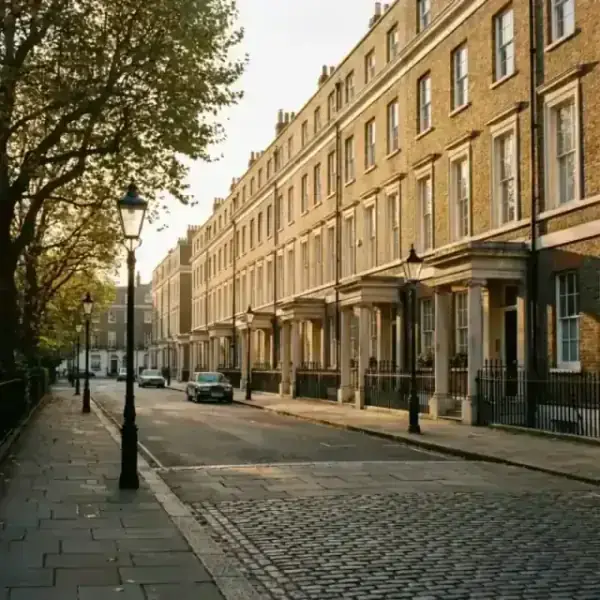
Conservation areas are designated zones that preserve the special architectural or historic character of neighbourhoods. In London alone, there are over 900 conservation areas, from the Georgian squares of Bloomsbury to the Victorian terraces of Kensington.
Unlike listed buildings, conservation areas don't protect individual structures but rather the overall character and appearance of an area. This means any changes to your property must maintain the historic streetscape and architectural harmony.
Understanding Listed Building Classifications
Properties within conservation areas may also carry individual listed building status, which adds another layer of protection:
Grade I Listed (2.5% of listings): Buildings of exceptional interest, such as Westminster Abbey or Hampton Court Palace. Any alterations require Listed Building Consent.
Grade II Listed\\* (5.8% of listings): Particularly important buildings of more than special interest, like many Georgian townhouses in Mayfair.
Grade II Listed (91.7% of listings): Buildings of special interest, including most Victorian and Edwardian properties in areas like Chelsea and Notting Hill.
When You Need Planning Permission
The general rule is straightforward: most window replacements in conservation areas require planning permission. This includes:
- Replacing single glazing with double glazing
- Changing window materials (timber to UPVC)
- Altering window styles (sash to casement)
- Modifying glazing bar patterns
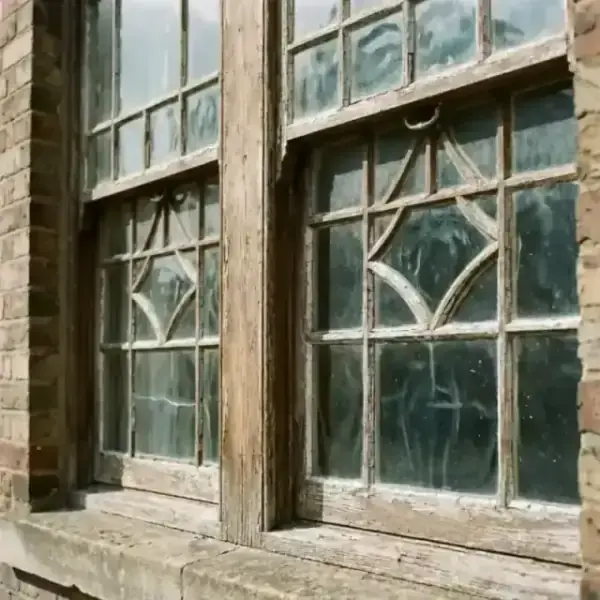
- Changing window colours from original schemes
Article 4 Directions
Many conservation areas operate under Article 4 Directions, which remove permitted development rights. This means even minor changes that would normally be allowed require planning approval.
Westminster City Council, for example, has Article 4 Directions covering much of Mayfair, Belgravia and Marylebone. In these areas, virtually all window work needs permission.
When You Don't Need Planning Permission
There are exceptions to the planning permission requirement:
Like-for-Like Replacements: If you're replacing windows with identical materials, styles, and appearance, permission may not be required. However, this only applies if no Article 4 Direction is in place.
Internal Modifications: Changes that don't affect the external appearance, such as internal draught-proofing or adding window film, typically don't require permission.
Maintenance and Repair: Routine maintenance, painting, and repair work using original materials usually falls under permitted development.
London Borough Variations
Different London boroughs interpret conservation-area rules differently:
Kensington and Chelsea: Extremely strict policies, particularly in areas like South Kensington and Chelsea. UPVC windows are almost universally rejected.
Westminster: Similar strictness in central areas but more flexible in outer zones. They provide detailed design guides for each conservation area.
Camden: Generally supportive of heritage-appropriate solutions but requires detailed applications for most window work.
Hammersmith and Fulham: More pragmatic while still maintaining conservation standards.
Always check with your specific local authority, as policies can vary significantly even within the same borough.
The Secondary Glazing Advantage
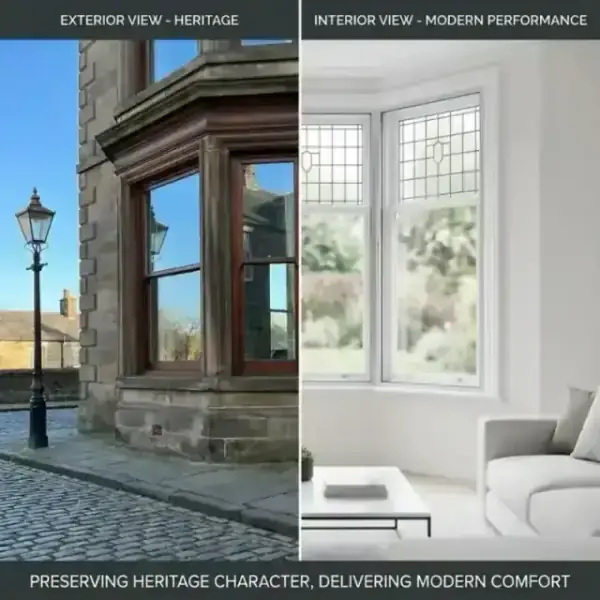
This is where secondary glazing becomes a game-changer for heritage-property owners. Secondary glazing systems installed on the interior of existing windows typically don't require planning permission because they don't alter the external appearance of the building.
Why Secondary Glazing Avoids Planning Issues
- No external changes: Original windows remain untouched and visible from the street.
- Reversible: Systems can be removed without damage to historic fabric.
- Conservation officer approved: Most heritage professionals prefer secondary glazing over window replacement.
- Maintains authenticity: Original windows, glazing bars, and architectural details remain in place.
Secondary glazing can achieve 70-80% noise reduction and significant thermal improvements without the planning headaches of full window replacement.
The Planning Application Process
If you do need to apply for planning permission, here's what to expect:
Required Documentation
- Detailed drawings: Showing existing and proposed windows.
- Photographs: Current windows and streetscape context.
- Heritage statement: Explaining how changes preserve or enhance the conservation area.
- Materials specification: Detailed information about proposed materials and finishes.
Timeline and Costs
- Standard applications: 8 weeks for processing.
- Listed Building Consent: Also 8 weeks, often running parallel to planning.
- Application fees: £206 for householder applications (2024 rates).
- Professional fees: Expect £2,000-£5,000 for architect and heritage consultant services.
Working with Conservation Officers
Conservation officers are your key allies in the process. They understand heritage requirements and can guide you toward acceptable solutions. Early consultation is crucial—arrange a pre-application meeting before submitting formal plans.
Common Planning Mistakes to Avoid
Installing UPVC without permission: This is the most common error. UPVC windows in conservation areas almost always require planning permission and are frequently refused.
Assuming like-for-like means identical: Conservation officers look at proportions, materials, and details. Even "matching" windows may need approval if they differ in glazing patterns or hardware.
Ignoring Article 4 Directions: Not checking if your property falls under additional restrictions can lead to enforcement action.
Poor quality applications: Inadequate drawings or heritage statements often result in refusal or requests for additional information, delaying the process.
Enforcement and Penalties
Carrying out unauthorised work in conservation areas can have serious consequences:
- Enforcement notices: Requiring work to be reversed or corrected.
- Fines: Significant penalties for unauthorised alterations.
- Loss of property value: Buyers and solicitors will flag unresolved planning issues.
- Future complications: Retrospective applications are not guaranteed to succeed.
Making the Right Choice
Before replacing original windows, check your conservation-area designation, look for an Article 4 Direction and speak with your local authority. If the aim is better warmth and quiet without changing the street elevation, secondary glazing is usually the most straightforward route.
The original window remains visible from outside, the intervention is reversible, and the internal system can be specified around the room’s reveal, opening style and acoustic needs. Talk to us about a measured survey when you are ready.