
School administrators and governors face a constant challenge: how to improve learning environments while managing tight budgets and avoiding disruption to the school calendar. The good news? Research consistently shows that even small-scale building improvements can have a measurable impact on student achievement, attendance, and wellbeing.
Recent studies demonstrate that strategic building enhancements: particularly those addressing acoustic comfort, thermal efficiency, and natural light: can improve test scores by up to 16% while reducing operational costs. The key is identifying improvements that deliver maximum educational benefit with minimal disruption to daily operations.
Why the Physical Environment Matters for Learning
The connection between building quality and academic performance is well-documented. Students in poorly maintained or uncomfortable environments show decreased concentration, higher absenteeism, and lower achievement scores. Conversely, improvements to lighting, temperature control, and noise reduction create measurable improvements in:
- Cognitive performance: Proper acoustic environments reduce mental fatigue and improve focus
- Teacher effectiveness: Comfortable conditions allow educators to deliver lessons more effectively
- Student attendance: Pleasant, well-maintained spaces encourage regular attendance
- Community perception: Visible improvements demonstrate institutional commitment to education
For many schools, particularly those in heritage buildings, the challenge lies in making these improvements without compromising architectural integrity or requiring extensive planning permissions.
Addressing Noise Pollution in Schools
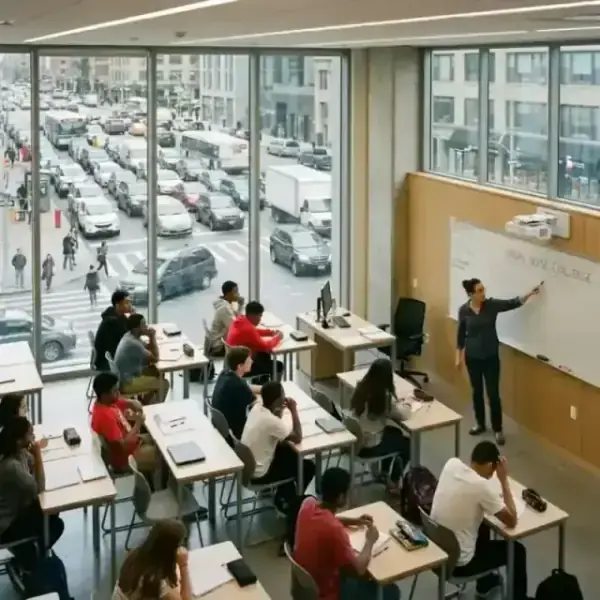
One of the most overlooked factors affecting learning environments is noise pollution. Urban schools face particular challenges from traffic, construction, and aircraft noise, while internal noise transfer between classrooms can disrupt concentration across multiple learning spaces.
External Noise Solutions
Traffic noise can raise classroom sound levels to 55-70 decibels, well above the recommended 35-40 decibel range for optimal learning. This constant background noise forces teachers to speak louder, creating a cycle that further degrades the acoustic environment.
For schools seeking effective noise reduction without major building work, secondary glazing offers a proven solution. Unlike full window replacement, these internal window systems can be installed during school holidays with minimal disruption to the building structure.
Many heritage schools have found particular success with this approach, as it preserves original windows while delivering significant acoustic improvements. Specialist educational glazing installations can reduce external noise by 80% or more, creating the quiet learning environments that research shows are essential for concentration and comprehension.
Internal Acoustics
Sound transfer between classrooms presents another challenge, particularly in older buildings with single-glazed windows facing internal courtyards. Upgrading these windows with acoustic solutions helps create distinct learning zones while maintaining the collaborative atmosphere that modern education requires.
Schools have reported noticeable improvements in student focus and teacher satisfaction following acoustic glazing upgrades, with the added benefit of improved thermal performance reducing heating costs during winter months.
Energy Efficiency: Balancing Comfort and Costs
Rising energy costs make thermal efficiency improvements increasingly urgent for school budgets. However, the challenge for educational facilities is implementing these improvements without disrupting term-time operations or compromising building heritage.
Window Thermal Performance
Windows represent the largest source of heat loss in most school buildings, often accounting for 25-40% of total energy consumption. For schools in heritage buildings, replacing original windows isn't typically an option, making retrofit solutions essential.
Secondary glazing for schools can reduce heat loss by up to 60% while preserving original window character. These systems pay for themselves through reduced heating costs: typically within 5-7 years for most educational settings.
The thermal comfort benefits extend beyond cost savings. Classrooms that maintain consistent temperatures between 18-21°C show improved student attention spans and reduced absenteeism during cold weather periods.
Implementation During School Holidays
One significant advantage of internal glazing systems is their installation flexibility. Most educational glazing projects can be completed during half-term or summer holidays, avoiding disruption to lessons while delivering immediate benefits when students return.
Heritage School Buildings: Navigating Listed Building Requirements
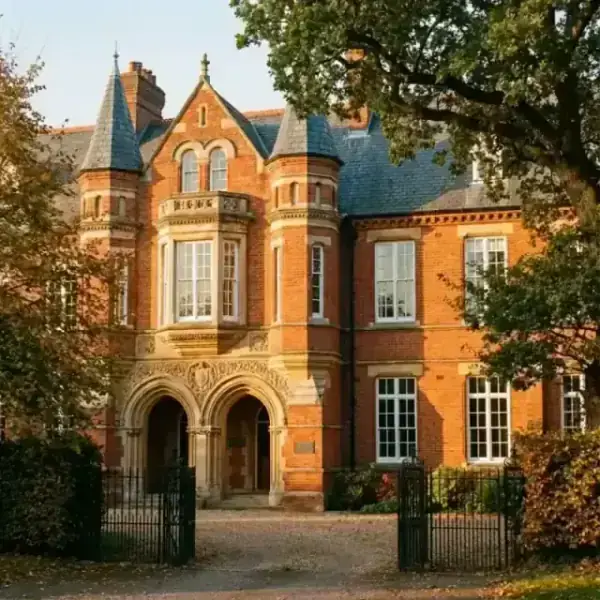
Many UK schools occupy listed buildings, with some dating back to Victorian or Georgian eras. These heritage structures present unique challenges when implementing building improvements, as any external alterations typically require listed building consent.
Listed Building Considerations
Listed educational buildings require careful consideration of any proposed modifications. External window replacement is rarely approved, making internal improvements the most viable option for thermal and acoustic upgrades.
For Georgian school buildings, the original sash windows often have significant heritage value that must be preserved. Internal glazing systems allow schools to maintain these architectural features while achieving modern performance standards.
Similarly, Victorian school buildings can benefit from sympathetic upgrades that respect their architectural heritage while addressing contemporary performance requirements.
Conservation Area Schools
Schools located in conservation areas face additional planning considerations, even for internal works. However, secondary glazing typically falls under permitted development rights, making it one of the few options for significant performance improvements without extensive planning procedures.
Funding and Return on Investment
School improvement projects must demonstrate clear value for money, particularly in the current funding environment. Building upgrades that combine educational benefits with operational savings present the strongest business case for governing bodies and local authorities.
Energy Savings Calculations
For a typical primary school with 200 students, window efficiency improvements can reduce annual heating costs by £2,000-4,000. Secondary schools see proportionally larger savings, with some reporting annual reductions of £8,000-12,000 following comprehensive window upgrades.
These savings compound over time, making school glazing improvements an investment that continues delivering value throughout their 20+ year lifespan.
Educational Performance Benefits
While harder to quantify, the educational benefits of improved learning environments are substantial. Schools reporting significant building improvements often see:
- Reduced teacher turnover (comfortable working conditions)
- Improved student attendance rates
- Better academic performance indicators
- Enhanced community perception and parental satisfaction
Case Studies: London Schools
Several London schools have successfully implemented building improvements that enhance learning environments without major disruption:
Primary School, North London: A Victorian-era primary school reduced external noise by 75% through strategic window upgrades during summer holidays. Teachers reported immediate improvements in classroom management, while energy costs dropped by 30%.
Secondary School, West London: Located in a conservation area, this school achieved significant thermal improvements while maintaining heritage compliance. The conservation area glazing solutions were installed room-by-room during half-term breaks, minimizing operational disruption.
Independent School, Central London: Facing noise issues from nearby transport links, this school implemented comprehensive acoustic improvements that transformed previously unusable classrooms adjacent to busy roads into quiet, comfortable learning spaces.
Implementation Without Term-Time Disruption
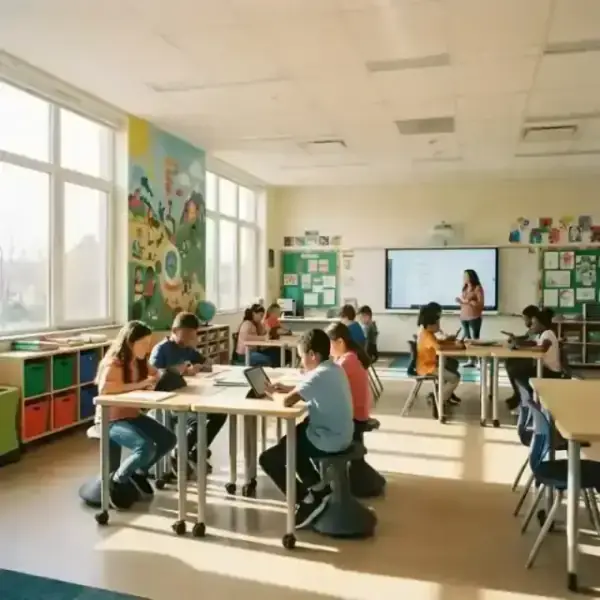
Successful school improvement projects require careful planning around the academic calendar. The most effective approaches minimize disruption while maximizing educational benefits:
Holiday Installation Windows
- Summer holidays: 6-week window allows for comprehensive projects
- Half-term breaks: Suitable for single classroom or phased installations
- Easter holidays: 2-week period for smaller-scale improvements
- Christmas break: Limited window but suitable for urgent repairs
Phased Implementation
Large schools often benefit from phased approaches, prioritizing:
- Classrooms facing busy roads (noise reduction priority)
- North-facing rooms (thermal efficiency priority)
- Older building sections (heritage preservation priority)
Creating Your Decision Framework
When evaluating building improvement options, school leaders should consider:
Educational Impact: Will the improvement directly benefit teaching and learning?
Budget Efficiency: Does the project offer measurable returns through operational savings?
Heritage Compliance: Are proposed changes appropriate for the building's historic significance?
Implementation Feasibility: Can work be completed without disrupting the school calendar?
Long-term Value: Will the improvement continue delivering benefits for 15+ years?
For many schools, educational sector glazing improvements check all these boxes, offering a practical path to enhanced learning environments within existing budget constraints.
The key to successful school building improvements lies in choosing solutions that respect heritage requirements while delivering measurable educational and operational benefits. With careful planning and appropriate expertise, even modest investments can create transformational changes in learning environments that serve students and communities for decades to come.