
If you live in a Grade II listed building in London, you’ve likely felt the bite of a winter draught through your original sash windows. You want to stay warm, but the thought of navigating heritage planning rules can feel like a full-time job.
Here is the short answer: Secondary glazing for listed buildings is not just allowed: it is the gold standard recommended by Historic England. In 2026, it remains the most effective way to slash your heating bills and block out city noise without touching a single piece of your home's historic fabric.
As the "Passivhaus" movement grows and energy standards like Part L become more stringent, the pressure to insulate period homes is rising. Here are the five essential things Historic England and local councils want you to know before you start your project.
1. The "Reversibility" Rule is Your Best Friend
Historic England’s primary concern is the preservation of historic fabric. They operate on a principle called "minimum intervention." In plain English, this means any change you make to your home should be easy to undo in the future without causing damage.
This is exactly why secondary glazing for heritage windows is so popular. Unlike double glazing, which usually requires removing the original glass or altering the timber sash, secondary glazing is an independent internal unit. It sits on your windowsill or inside the window reveal, held in place by discreet fixings.
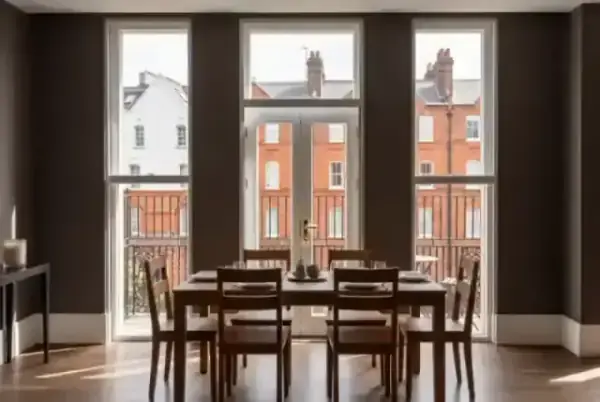
When we install these systems, we ensure they are entirely "reversible." If a future owner 50 years from now wanted to remove them, the original 18th or 19th-century window would remain exactly as it was. This approach is the secret to listed building insulation without the planning drama.
2. Planning Consent is Changing (Especially in RBKC)
For years, the rule was simple: "Check with your Conservation Officer." While that is still excellent advice, 2026 has brought more streamlined paths.
A landmark change is the Local Listed Building Consent Order (LLBCO), pioneered by the Royal Borough of Kensington and Chelsea (RBKC). This order effectively grants automatic, pre-approved consent for secondary glazing in most Grade II listed buildings until May 2028.
If your property is in a borough with similar orders, you don't need to submit a full, tedious planning application as long as:
- The frames are not uPVC (more on that later).
- The installation is not visible from the street.
- You aren't cutting into original shutters or architraves.
Even if you aren't in Kensington or Chelsea, many London councils are following this "neighbourly" approach to help homeowners meet modern energy standards. You can read more about how these rules differ across Kensington and Chelsea in our borough guide.
3. The "Part L" Thermal Revolution
Building Regulations, specifically Approved Document L, have set high bars for thermal efficiency. For a long time, heritage homes were the "exception to the rule" because they couldn't easily be double-glazed.
However, Historic England now emphasizes that secondary glazing can bring a single-glazed sash window up to: and sometimes beyond: modern double-glazing standards.
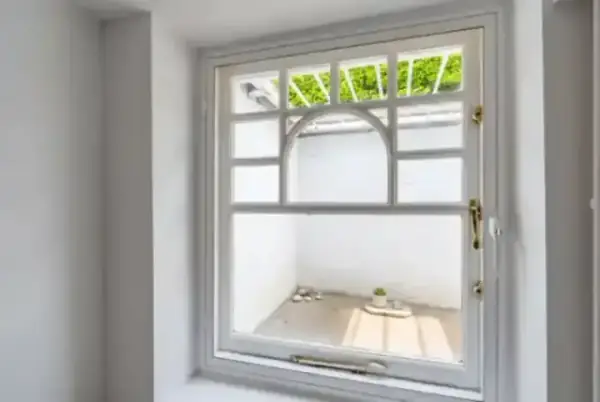
When you add a high-performance secondary layer with a low-E (low-emissivity) coating, the U-value (the measure of heat loss) of your window can drop from a drafty 5.7 W/m²K down to an impressive 1.0 W/m²K. In real-world terms, that’s about a 60% reduction in heat escaping through your glass. It’s the difference between wearing a t-shirt in January and needing a woolly jumper just to sit in your living room.
If you're curious about how this stacks up against other options, check out our 2026 guide on secondary glazing vs. double glazing.
4. Sash Window Compatibility is Essential
One of the biggest mistakes we see is homeowners choosing a secondary glazing style that doesn't "align" with their original windows. Historic England and local planners want the secondary units to be as "invisible" as possible.
For a classic London sash window, the best solution is vertical sliding secondary glazing. This system mimics the horizontal meeting rail of your original sash. When you look at the window from the street, you shouldn't be able to tell there’s a second layer of glass inside.
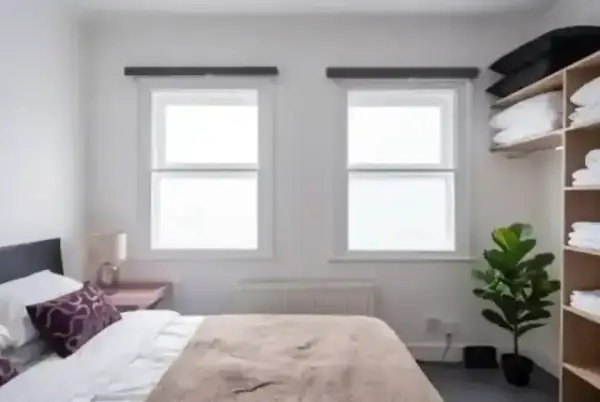
Beyond aesthetics, this design ensures you can still open your windows for ventilation. In 2026, Historic England's technical advice is very clear: Do not seal the original window shut. You need a small amount of airflow in the "cavity" (the gap between the two windows) to prevent condensation from rotting your historic timber. We build this ventilation directly into our secondary systems to keep your home healthy.
5. Avoiding the "Consent Traps": The Big No-Nos
While heritage officers are more supportive than ever, there are three things that will almost certainly get your project rejected or result in an enforcement notice:
- The uPVC Trap: Never use uPVC frames in a listed building. They are bulky, non-traditional, and technically "permanent" in the eyes of many officers. We always use slimline, powder-coated aluminium frames that can be colour-matched to your existing woodwork.
- The "Draught-Proofing Only" Mistake: Some people try to draught-proof the original window and add secondary glazing without ventilation. This traps moisture, leads to mould, and can damage the heritage glass.
- Visible Fixings: If you can see bulky screws or plastic caps from the outside, it’s a heritage fail. The goal is a "seamless" look where the secondary frame is tucked behind the original timber staff bead.
Ready to Warm Up Your Heritage Home?
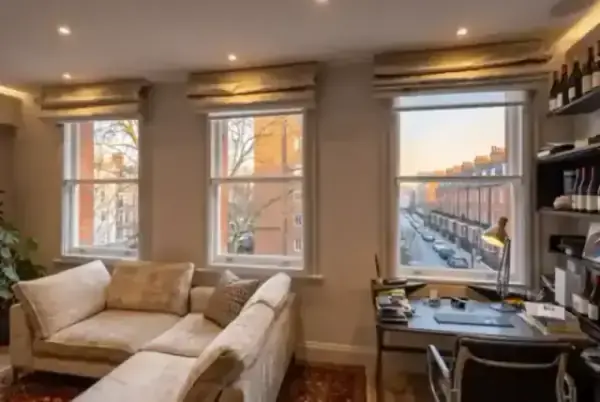
Living in a listed building shouldn't mean living in a cold or noisy one. In 2026, the technology for secondary glazing for listed buildings has reached a point where you can enjoy 21st-century comfort without losing an ounce of 18th-century charm.
If you’re worried about planning permission or aren't sure which opening style suits your sashes, the best first step is a professional survey. We can show you exactly how the frames will sit and help you navigate the specific requirements of your London borough.
And once they're in? You'll want to keep them looking perfect. Have a look at our tips on how to clean your secondary glazing without risking any damage to those precious original windows.