
You’re sitting in your living room, perhaps in a beautiful Victorian terrace in Fulham or a converted warehouse in Shoreditch, and you can feel it. That persistent, chilly draft snaking its way through your original sash windows. At the same time, the roar of the A1 or the late-night chatter from the street is making itself quite at home in your bedroom.
You know you need to do something about it. But then you look at the quotes for full double-glazing replacement. Your eyes widen, your morning coffee goes cold, and you start wondering if you really need both kidneys.
Here is the truth: for most London homeowners, full window replacement isn't just expensive; it’s often unnecessary. If you’re looking for the best return on investment (ROI) for your comfort and your wallet, the math points squarely at secondary glazing.
Let’s break down why "60% cheaper" is actually a conservative estimate when you look at the big picture.
The Upfront Math: Why Your Bank Account Will Thank You
When we talk about secondary glazing cost, the comparison is usually between adding a slim, discrete internal pane and ripping out your entire window frame to fit a new double-glazed unit.
On average, secondary glazing is between 40% and 60% cheaper than a full high-quality window replacement. In London, where labor costs and property specificities (like those lovely but tricky bay windows) drive prices up, that gap can be even wider.
Think about it this way: if a full house of new timber sash windows costs you £20,000 (a very realistic London figure), secondary glazing would likely sit around £8,000 to £10,000. That’s £10,000 staying in your pocket before you’ve even turned the heating on.
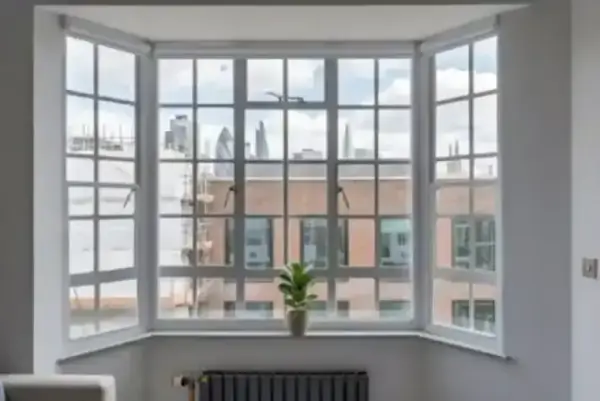
The Energy Bill Reality Check
We’re all feeling the pinch of energy prices. While the market fluctuates, the physics of a cold window remains the same. Single-pane glass is essentially a "hole" in your home’s thermal envelope.
Secondary glazing can reduce heat loss through your windows by up to 70%. Because you’re creating a trapped layer of air between the original glass and the new internal pane, you’re creating a powerful thermal barrier.
In a typical London home, this translates to roughly £100 to £200 in annual savings on heating bills. While that might not seem like a lottery win, consider the "payback period." Because the initial secondary glazing prices are so much lower than full double glazing, you reach the point where the windows have "paid for themselves" years: sometimes decades: sooner.
You can dive deeper into the specifics of how this stacks up against other options in our guide on secondary glazing vs double glazing for energy bills.
The "Hidden" ROI: Sleep and Sanity
If you live near a bus route, a pub, or just a busy London street, you know that ROI isn't just about money. It’s about being able to hear your own thoughts at 7:00 PM on a Tuesday.
This is where the secondary glazing vs double glazing debate gets interesting. Standard double glazing is great for heat, but for noise? It’s often surprisingly mediocre. This is because the gap between the two panes of glass is usually only about 16mm to 20mm.
Secondary glazing allows for a much larger "air gap": usually 100mm or more. This physical distance is the secret sauce for soundproofing. It can lead to an 80% reduction in outside noise, which is something standard double glazing simply cannot touch.
How do you put a price on a full night’s sleep? Or being able to work from home without feeling like the sirens are inside your office? For many of our clients, the 80% noise reduction is the primary reason they invest, and the energy savings are just a very welcome bonus.
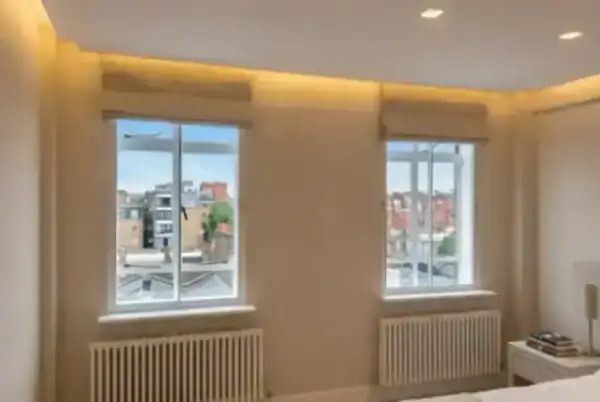
Preservation = Property Value
If you own a period home or a listed building, your windows are part of the property's soul: and its market value.
Ripping out original 19th-century timber frames and replacing them with modern uPVC or even new timber replicas can sometimes decrease the value of a heritage home. Buyers in London pay a premium for "original features."
Secondary glazing is completely reversible and sits inside the reveal, meaning it doesn't touch the original fabric of the building. This is why it’s the gold standard for listed buildings and conservation areas. You get the 21st-century comfort without losing the 19th-century charm.
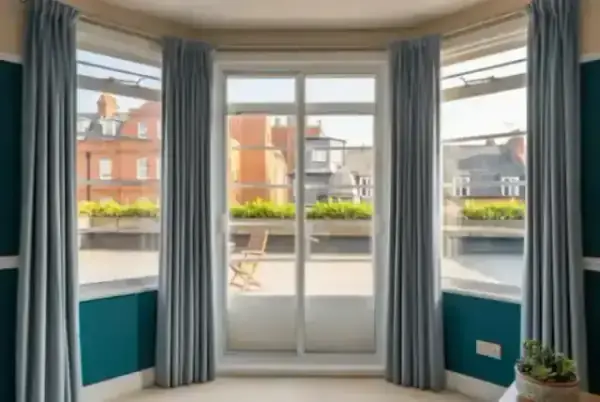
The Disruption Factor (Time is Money)
Let’s talk about the "mess" ROI.
- Full replacement: Scaffolding, skip hire, dust, plastering, repainting, and usually several days (or weeks) of workers in every room of your house.
- Secondary glazing: We measure, we manufacture off-site, and then we install. Most London flats can be completed in a single day. There’s no scaffolding, no "making good" the plasterwork, and no need to move out.
When you factor in the cost of your time and the lack of stress, the "true" cost of secondary glazing drops even further.
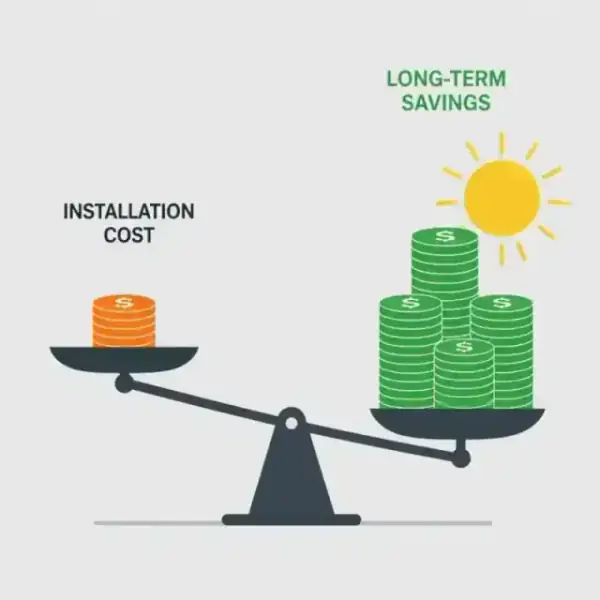
Is It Worth It in 2026?
With the current focus on home efficiency and the increasing density of London, the answer is a resounding yes. Whether you’re looking at it through the lens of does secondary glazing really matter in 2026 or you're just tired of wearing three jumpers indoors, the financial case is rock solid.
By choosing secondary glazing, you are:
- Saving 40-60% on the initial purchase price.
- Cutting heat loss by 70%, leading to immediate bill reductions.
- Gaining superior soundproofing that standard double glazing can't match.
- Protecting your property's value by keeping original features intact.
Your Next Steps
If you're still weighing up your options, don't just guess. Every home in London is different: what works for a garden flat in Battersea might not be the best fit for a loft in Wapping.
Take a look at our deeper comparison of secondary glazing vs double glazing for period homes to see which fits your specific lifestyle. Or, if you're ready to see the real numbers for your own windows, let's have a chat. We can help you figure out exactly how much you could be saving: both on the install and on those monthly bills.
WhatsApp us