
# The Ultimate Guide to Secondary Glazing for Period Homes London: Real Results from Chelsea
If you live in a period flat in Chelsea or Kensington, you’re likely intimately familiar with two things: the stunning architectural charm of your sash windows and the freezing draughts that whistle through them every January. Oh, and the sound of the number 11 bus that feels like it’s driving through your bedroom at 6:00 AM.
You want the quiet and the warmth, but you also want to keep the character that made you fall in love with the property in the first place. Plus, the council’s conservation rules often mean that replacing those original windows is off the table entirely.
So, does secondary glazing actually work for these grand old London homes? The short answer is yes. In fact, for most homeowners in Chelsea, it’s the only way to achieve a 70–80% reduction in noise and a 60–75% drop in heat loss without upsetting the planning office.
Why Chelsea Homes Are Such a Challenge
Chelsea is home to some of the most beautiful Victorian and Edwardian architecture in the world. But these buildings were designed in an era when coal fires were cheap and "soundproofing" wasn't a word.
The original single-glazed timber sashes are essentially thin sheets of glass held together by wooden frames that have likely shifted and settled over the last 150 years. This leaves gaps: tiny ones, but enough for heat to escape and for the roar of King's Road traffic to pour in.
When we talk about secondary glazing for period homes in London, we aren't just talking about adding a second pane of glass. We’re talking about creating a high-performance acoustic and thermal seal that sits discreetly behind your original windows.
Real Results: A Chelsea Case Study
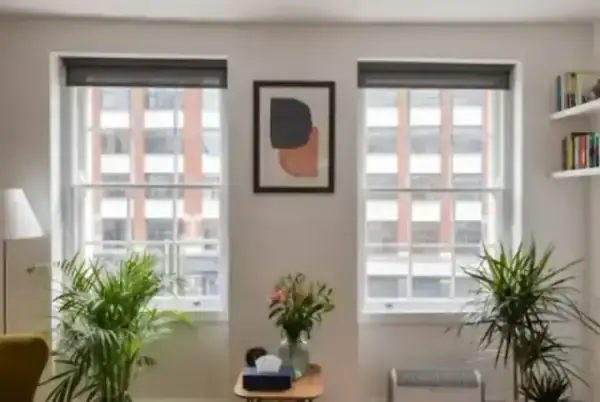
Let’s look at a real-world scenario. Last winter, we worked on a first-floor flat in a Victorian terrace just off Sloane Square. The homeowner, Sarah, loved her high ceilings and original shutters but was sleeping in a hat because the bedroom window was so draughty. She was also being woken up every morning by the local refuse trucks.
The Problem
Sarah had beautiful, original sash windows that were "protected," meaning she couldn't replace them with double glazing. The noise in her bedroom was hitting 65 decibels (dB) during peak traffic: roughly the volume of a normal conversation, but constant.
The Solution
We installed slimline vertical sliding secondary glazing. We matched the horizontal meeting rails of her original windows so the new frames were virtually invisible from the street. We used a 100mm cavity (the air gap between the two windows) and specialized acoustic glass.
The Outcome
- Noise: The sound level dropped by roughly 75%. The roar of the street became a distant, ignorable hum. Sarah stopped using her white noise machine.
- Warmth: By using Low-E (low-emissivity) glass, we reduced the heat loss through the windows by over 60%. The "cold zone" next to the window disappeared, and she was able to move her armchair right up to the glass.
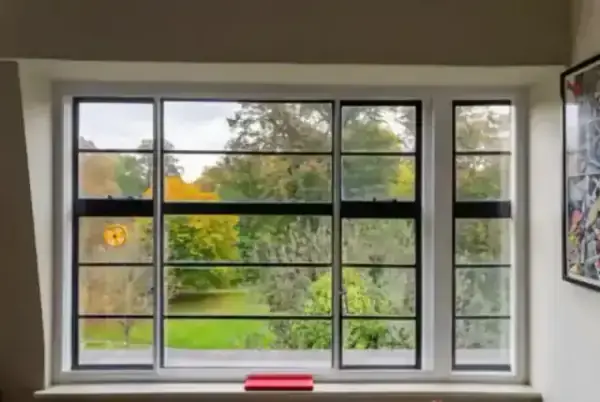
- Aesthetics: Because the frames were painted to match her existing white joinery, her guests didn't even notice the secondary glazing was there until she pointed it out.
The Science of the "Quiet Gap"
A lot of people ask why secondary glazing is better for noise than standard double glazing. It all comes down to the gap.
In a standard double-glazed unit, the two panes of glass are only about 16mm to 20mm apart. This is great for heat, but for sound, it’s not wide enough to stop the vibrations of heavy traffic.
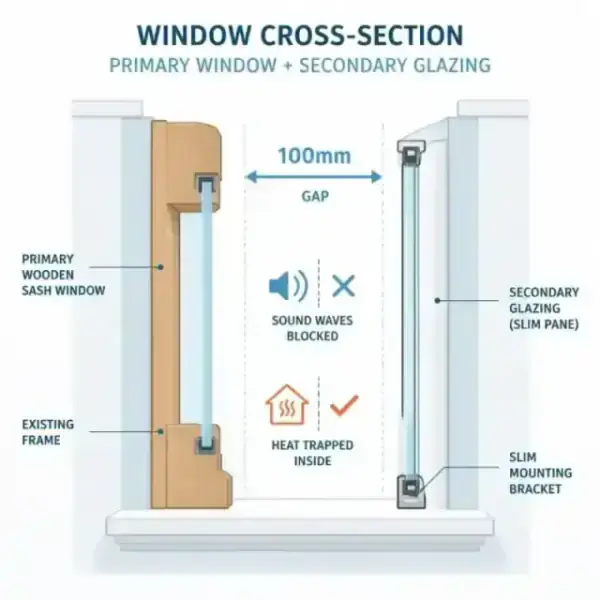
For effective soundproofing in flats in Kensington and Chelsea, you need a much larger air gap: ideally around 100mm. This gap acts as a "dead zone" for sound waves. By the time the noise from a passing scooter hits that second layer of glass and travels through 10cm of air, it has lost most of its energy.
Performance at a Glance
| Feature | Improvement with Secondary Glazing | Real-World Impact | | :-- | :-- | :-- | | Noise Reduction | 70–80% (up to 90% with acoustic glass) | Better sleep, fewer distractions from traffic. | | Heat Retention | 60–75% reduction in heat loss | Lower heating bills and a much warmer room. | | Draughts | Near 100% elimination | No more whistling windows or cold ankles. | | Heritage Compliance | 100% | Approved for most listed buildings and conservation areas. |
Keeping the Council Happy
If you’re in a conservation area, you know that the local planning authorities are incredibly protective of the "street scene." Any change to the exterior of your building can lead to a lengthy (and expensive) battle.
The beauty of secondary glazing in London is that it is considered a reversible internal alteration. It doesn't touch the original fabric of the building, and it's invisible from the outside. Historic England often recommends it as the preferred way to upgrade heritage properties. It’s the "win-win" of home improvement: you get the modern comfort, and the neighborhood keeps its historic soul.
Common Questions We Get in Chelsea
"Will I still be able to open my windows?"
Absolutely. If you have sash windows, we install vertical sliders that mirror your original windows. If you have casement windows (the ones that swing out), we use hinged units. You can still let in a breeze on a summer afternoon; it just takes two seconds longer to open both layers.
"What about condensation?"
Condensation often happens in older homes because the warm, moist air inside hits the freezing cold single pane of glass. By adding secondary glazing, the inner pane stays much closer to room temperature. While it doesn't solve every ventilation issue in a 100-year-old house, it dramatically reduces the "weeping window" effect that ruins your curtains and paintwork.
"Is it a messy job?"
Not at all. Unlike replacing windows, which involves ripping out frames and re-plastering, secondary glazing is a "clean" install. The frames are pre-made in our workshop and fitted onto your existing window sill or reveal. Usually, we can finish a whole flat in a day or two with very little dust.
A Smarter Investment for 2026
With energy prices remaining a top concern for Londoners, upgrading your windows is one of the fastest ways to see a return on your investment. Full window replacement in a Chelsea period property can cost a small fortune: often double or triple the price of secondary glazing.
By choosing a high-quality secondary system, you’re getting most of the thermal benefits of double glazing (and superior noise benefits) at a fraction of the cost.
Moving Forward
Living in a historic London home shouldn't mean you have to sacrifice comfort. If you're tired of turning up the TV to drown out the sirens or wearing three jumpers just to sit in your living room, it might be time to look at your windows.
The best part? You don't have to navigate the planning office or lose the charm of your home. You can have a quiet, warm, and beautiful flat without the drama.
If you're ready to see how secondary glazing could transform your space, the next step is a simple survey to see what's possible for your specific windows. No more draughts, no more noise: just your home, finally feeling the way it should.