
Condensation after a window upgrade can be surprising. If you are seeing secondary glazing condensation, the location of the moisture is the first clue. Secondary glazing may improve thermal performance and reduce draughts around an original window, but it does not guarantee a condensation-free room. Indoor humidity, ventilation, the window’s condition and the way the property is heated all still matter.
The practical aim is avoiding condensation without compromising ventilation, access or the original window. This guide focuses on three common mistakes after fitting secondary glazing: restricting ventilation, allowing moisture into the window cavity, and overlooking everyday moisture and maintenance.
For the wider science, see our beginner’s guide to a condensation-free home; this article keeps the focus on what to check after an upgrade.
Why condensation can change after a window upgrade
Condensation forms when moist indoor air reaches a surface that is cold enough for water vapour to turn into liquid. A secondary pane can make the room-facing glass warmer by adding a sealed air gap, while the original outer window may become colder. The result depends on the glass, seals, air gap, frame, installation, ventilation, room humidity and heating behaviour.
Indicative performance figures, not promises
The original article quoted an internal glass surface temperature increase of 5–8°C. That range should be treated as an indicative estimate for particular window constructions and conditions, not an expected result for every home. Similarly, an original single-glazed window may be described with a U-value of about 5.8 W/m²K, while some secondary-glazing configurations are quoted around 1.8–2.4 W/m²K. Those are illustrative figures for defined constructions: U-values vary with the complete window, glass, seals, air gap and frame, and do not predict a whole-property energy bill or indoor humidity.
Secondary glazing may also reduce outside noise. Some tested or quoted configurations are described as achieving 70–80% noise reduction, but the result depends on the glass, air gap, seals, installation, sound frequency and other paths through the building. Treat that range as an indicative system-specific estimate, not a guarantee.
Cost comparisons need the same care. Some projects are described as costing 40–60% less than full window replacement, but the comparison depends on the property, number and size of windows, repairs, glass, frame, access, installation and what the alternative quote includes. It is not a universal saving.
For wider context on whole-property decisions, read the guide to energy-saving mistakes period-property owners make rather than treating the window as the only source of heat loss or moisture.
Mistake 1: Sealing the room without planning ventilation
A well-sealed inner unit can reduce uncontrolled draughts, which may improve comfort and thermal performance. But if ventilation is reduced without a replacement strategy, moisture from people, cooking, bathing and drying clothes can remain indoors for longer. That can increase the risk of condensation on cold surfaces elsewhere, even if the new room-side pane feels warmer.
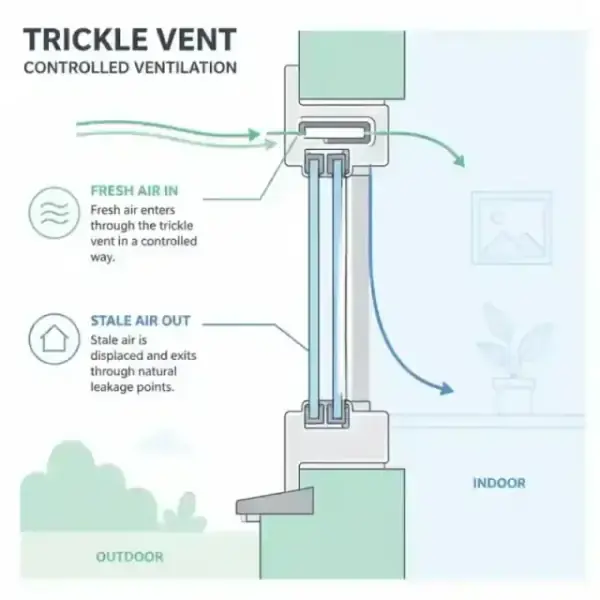
Fix: Keep controlled ventilation working
- Use trickle vents or other background ventilation where they are part of the design, and do not block them with furnishings or coverings.
- Run kitchen and bathroom extractors during moisture-producing activities and for an appropriate period afterwards, following the fan and property guidance.
- Use brief purge ventilation when conditions and security allow. The right frequency depends on the room, weather, heating and ventilation system; a fixed airing time is not a guarantee of good humidity control.
- Ask the installer how the proposed secondary glazing works with existing vents, fireplaces, shutters and escape routes.
For a broader heritage perspective, see these listed-building window energy-upgrade mistakes, especially the warning against solving one draught while overlooking the building’s air movement.
Mistake 2: Treating the cavity as sealed and forgotten
The space between the original window and the secondary unit is part of the system. If moist room air bypasses the inner seals, or if dampness is already present around the original frame, moisture can collect on the outer glass or timber. Persistent misting between the layers is not proof that the whole system has failed, but it does need investigation.

Fix: Check the seals, drainage and cavity strategy
- Ask how the inner seal and outer window are intended to work together. A common approach is to make the inner layer more resistant to room air while allowing the original window and cavity to manage moisture appropriately. The correct detail depends on the window and installation; do not drill, seal or alter historic joinery without advice.
- Inspect the original window first. Look for failed putty, rot, water ingress, damaged paint, blocked drainage or gaps around the frame. Secondary glazing cannot repair a leaking or decayed primary window.
- Request a whole-window check. Frame design, seals and any thermal-break detail may affect surface temperatures and thermal bridging, but none removes the need for suitable ventilation and maintenance.
For the deeper condensation principles, follow the condensation-free home guide. It covers the wider building context so this article can stay focused on post-upgrade checks.
Mistake 3: Blaming the new glazing and skipping moisture management
Window condensation is often a symptom of the room’s moisture balance, not a standalone window fault. Cooking without extraction, drying laundry indoors, long showers, crowded rooms and low background ventilation can all raise humidity. A tighter window may make that change more noticeable by reducing the draughts that previously carried moist air away.

Fix: Build a simple routine for use and maintenance
- Use pan lids and kitchen extraction while cooking; keep moisture in the kitchen where practical.
- Keep bathroom doors closed during showers and use the extractor as intended.
- Dry clothes with suitable ventilation and avoid placing damp laundry directly over radiators.
- Wipe visible water from glass and sills, especially where timber could absorb it, but investigate recurring moisture rather than relying on wiping alone.
- Check secondary-glazing seals, tracks, hinges and opening panels periodically, and keep the cavity accessible for inspection and cleaning.
For routine care, read the secondary glazing maintenance and practical benefits guide and how to clean and maintain secondary glazing without damaging original sash windows. The guide to maintaining secondary glazing goes into longer-term checks; it is deliberately separate from the three post-upgrade mistakes here.
Case study: a property-specific example
The existing article described a Grade II listed Georgian terrace in Kensington where sliding secondary glazing, a 100mm cavity and integrated trickle vents were used alongside a new brief-airing routine. The reported outcome included less condensation, a quieter street-facing room and a 4°C increase in room temperature.
That is a property-specific homeowner example, not an independently verified benchmark or a promise for another property. The outcome would depend on the original window, glass, seals, air gap, ventilation, room size, occupancy, weather and heating behaviour. A survey is needed before applying any case-study figure elsewhere.
When to investigate further
Arrange a suitable inspection if water repeatedly pools on the sill, mould or staining appears, timber remains damp, the cavity stays misted, or condensation continues despite normal ventilation and moisture-control measures. The cause could involve the window, a seal, a cold bridge, a leak, the wall or the wider ventilation system.
Avoid adding sealant or closing vents as a first response. Record where and when the moisture appears, check whether it is on the room-side glass, the original outer glass or between the layers, and ask for advice from someone who can assess the whole opening.
FAQs about condensation after a window upgrade
Can secondary glazing stop condensation?
It may reduce condensation on a warmer room-facing surface, but it cannot guarantee a condensation-free home. Humidity, ventilation, cold bridges, leaks, the original glass, seals and the condition of the timber all affect the result.
Why did condensation appear after secondary glazing was fitted?
The inner window may have changed air movement and surface temperatures. Moisture can also be entering the cavity, or the room may have insufficient extraction or background ventilation. Check the location of the moisture and ask for the installation and primary window to be assessed.
Are the 5–8°C and 1.8–2.4 W/m²K figures guaranteed?
No. They are indicative figures quoted for particular constructions and conditions. Surface temperature and U-value depend on the specific glass, seals, air gap, frame, installation and surrounding building. A U-value is a construction measurement, not a whole-home bill prediction.
Will secondary glazing reduce outside noise by 70–80%?
Some tested configurations are quoted in that range, but noise reduction varies with glass, air gap, seals, installation, frequency and flanking paths through the building. Treat it as an indicative estimate for a specified system, not a guaranteed result.
Can secondary glazing cost 40–60% less than replacement?
Some comparisons use that range, but actual costs vary with the window, property, repairs, access, glass, frame, installation and the replacement specification. Ask for like-for-like quotations rather than assuming a percentage saving.
How should I maintain secondary glazing?
Keep the glass, tracks and seals clean, use the opening mechanism gently, inspect the cavity and original timber, and keep ventilation paths clear. For more detail, use the thermal-insulation mistakes guide for sash windows alongside the maintenance guides above.
Keep the upgrade working with the building
Good condensation control after a window upgrade is a balance: improve draught reduction and thermal performance, keep ventilation intentional, protect the cavity, and maintain both the new unit and the original window. Secondary glazing can support a warmer, quieter room, but the result must be judged against the actual property and how it is occupied.
At Secondary Double Glazing London, we don’t just "fit windows." We assess the thermal performance of your entire property to ensure our solutions work in harmony with your home. If you're ready to cut your heating bills and silence the London streets while keeping your home dry, get in touch for a bespoke survey.
Ready to transform your home? Book your free survey today.