
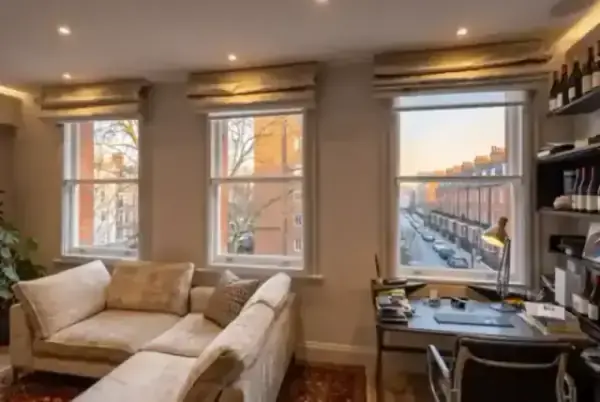
If you live in a Grade II listed property or a classic Victorian terrace in London, you likely have a love-hate relationship with your sash windows. On one hand, they are the soul of your home, the elegant proportions, the thin glazing bars, and the hand-blown "wavy" glass are irreplaceable parts of our architectural heritage. On the other hand, they can be a nightmare to live with.
When the winter wind rattles the sashes and the sound of the 7:00 AM bus feels like it’s inside your living room, those beautiful windows can start to feel like a liability. You want the warmth and quiet of a modern home, but you’re stuck between a rock and a hard place: you can’t replace them due to strict planning rules, and "heritage" double glazing is often eye-wateringly expensive and technically complex to get approved.
This is where secondary glazing for listed buildings changes the game. It isn’t just a "compromise", in many ways, it’s the superior choice for period homes. Here is why it’s the smartest upgrade you can make for your sash windows.
The Problem with "Replacement" in Heritage Homes
For many homeowners, the first instinct is to look at double glazing. However, if you are in a listed building or a sensitive conservation area, you’ll quickly hit a wall of bureaucracy. Replacing original timber sashes with double-glazed units usually requires Listed Building Consent (LBC), and conservation officers are notoriously protective of original glass and joinery.
Even "slimline" double glazing often requires the deepening of the sash rebates, which can weaken the original frame or alter the visual weight of the window. In many cases, the council will simply say "no" to preserve the building’s historical integrity.
Secondary glazing sidesteps this conflict entirely. Because it is an internal, fully reversible addition, it doesn’t alter the external appearance of your home. In fact, Historic England actually recommends secondary glazing as a best-practice solution for improving the thermal performance of traditional windows.
Why It’s "Smarter" (The Hard Numbers)
When we talk about secondary glazing being the "smart" choice, we aren't just talking about keeping the planners happy. We’re talking about performance and value.
1. Massive Noise Reduction
Traditional double glazing is good, but it has a weakness: the two panes of glass are usually very close together (often only 16mm to 20mm apart). This small air gap is okay for heat, but it doesn’t do much for low-frequency traffic noise.
Secondary glazing for sash windows creates a much larger air gap: typically 100mm to 150mm between the original window and the new inner pane. This "buffer zone" acts as a massive acoustic dampener. Our installations typically achieve a 70-80% reduction in noise levels. If you’re living on a busy London thoroughfare, that is the difference between a stressful environment and a sanctuary. You can read more about the science of silence here.
2. Thermal Efficiency and U-Values
Modern Building Regulations (Part L) look for a "U-value" (a measure of heat loss) of around 1.6 W/m²K for new windows. An original single-glazed sash window usually sits at a dismal 5.8 W/m²K. By adding a high-quality secondary layer with Low-E thermal glass, we can bring that down significantly, often outperforming the thermal results of basic double-glazed replacements. You’ll notice the "cold zone" around your windows disappears, and your heating bills follow suit.
3. Cost-Effectiveness
Full window replacement in a period home is a major construction project. It involves scaffolding, joinery, painting, and often internal re-plastering. Secondary glazing is typically 40-60% cheaper than a full heritage double-glazing replacement. There’s no scaffolding required, and the installation is usually completed in just 1 or 2 days with zero damage to your existing decor.
Mastering the "Sash Look"
One of the biggest concerns homeowners have is: "Will it look like a bulky office window inside my beautiful home?"
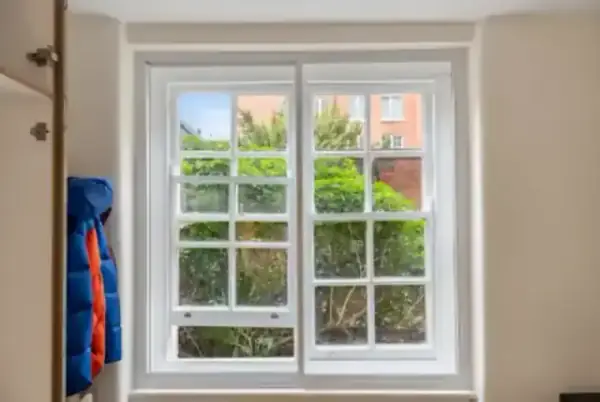
The answer is no: not if it’s done right. For sash windows, we use Vertical Sliders. These units are designed to mirror your original windows exactly. We align the horizontal "meeting rail" of the secondary unit with the meeting rail of your original sash. From the street, the secondary glazing is virtually invisible. From the inside, the slimline aluminium profiles blend seamlessly into your existing timber architraves.
Navigating the Planning Permission Trap
This is where most people get confused. Do you need permission or not? Here is the general rule of thumb for London homeowners:
- Conservation Areas (Not Listed): You generally do not need planning permission. Internal secondary glazing is considered "permitted development" because it doesn't change the exterior look of the building.
- Grade II Listed Buildings: You might need Listed Building Consent, but not always. The legal test is whether the work "affects the character" of the building. Because our systems are "reversible" (meaning they can be removed without damaging the original fabric), many councils are very supportive.
The "trap" people fall into is assuming that because it's internal, they don't need to tell anyone. If your home is listed, it is always worth a quick, informal chat with your local conservation officer. We often provide drawings and samples to help our clients with this process. You can find a deeper dive into these planning traps in our guide here.
Living with Secondary Glazing
Functionality is just as important as aesthetics. One of the best things about modern secondary glazing for sash windows is that you don't lose the use of your windows.
If you want to open your original window for a breeze, you simply slide up the secondary panel. If you have deep window reveals or internal shutters, we can often fit the secondary units in a way that allows the shutters to still close fully. This bespoke approach is why secondary glazing is so popular in areas like Kensington, Chelsea, and Westminster, where original features are paramount.
The Real-World Impact
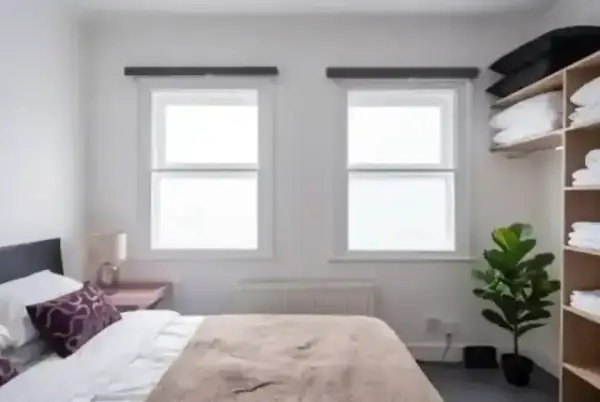
Think of it this way: your original sash windows are like a beautiful vintage coat. They look fantastic, but they aren't very waterproof or windproof by modern standards. Adding secondary glazing is like giving that coat a high-tech thermal liner. You keep the classic look that makes your home special, but you gain the comfort levels of a 21st-century build.
We’ve seen homeowners go from wearing jumpers and blankets indoors to enjoying a quiet, draft-free home within 48 hours of installation.
Ready to take the next step?
Improving a listed building doesn't have to be a bureaucratic nightmare or a six-figure expense. Secondary glazing offers a path to a warmer, quieter home while actually protecting the heritage value of your property.
If you’re tired of the drafts and the street noise, the best thing you can do is get an expert eyes-on assessment. We can look at your specific sash windows, check for shutter clearance, and show you exactly how a slimline system would sit in your home.
Contact Secondary Double Glazing London today for a friendly chat or to book your initial survey. Let’s make your period home as comfortable as it is beautiful.